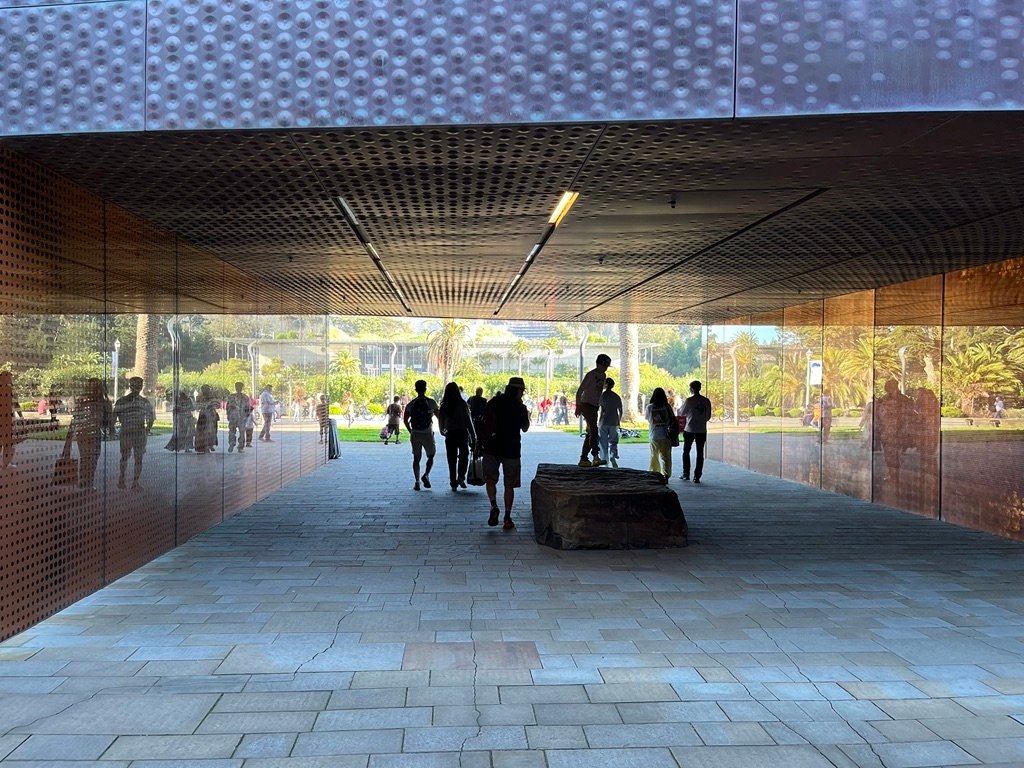
I didn’t go to the de Young Museum in San Francisco to look at Japanese comic books.
Like many of you, I used to think manga was something for young people. Much like colorful Amar Chitra Katha comics devoured by young Indians learning about indian mythology or marvel comics for young Americans learning about super heroes, I thought this genre was something teens might flip through in the back seat during long drives. Bright colors, wild hair and exaggerated expressions that looked fun but not serious. This wasn’t something for me.
I was in the bay area last weekend and a friend recommended the Paul McCartney photo exhibit. It was a rare look at the Beatles when they just became a craze all captured through Paul’s 35mm Pentax. Nostalgia, artistry and legacy. That was supposed to be the inspiration for this first post.
But it turns out, this isn’t exactly my first blog.
It’s actually my third chapter!
A Little Backstory
In 2014, I started my first blog called Leaf and Lemon. It was a blend of Indian and American fusion food with a focus on nutrition, heritage, and food photography. What better way to bring people together than with food, I thought. I taught myself HTML and CSS just to get it off the ground. I learned everything I could about wordpress to create a blog from scratch. I wanted to capture quiet stories through food!
To my surprise, what intrigued people most wasn’t the recipes or the stories. It was about how I’d figured out how to bring ads to this humble blog I had built by hand.
That curiosity around digital presence and reach turned into my second blog: Splendid Circle. It was about empowering women-led businesses by helping them develop branding, outreach, and digital marketing strategies using content planning and targeted ads on platforms like Facebook and Instagram. This time, I ran it on Squarespace. It was a time of energy, experimentation and small-business optimism!
But over time, those platforms shifted. What once gave small creators and entrepreneurs a voice became crowded and blurred by favoring big companies and big budgets. Despite the promise, the platforms weren’t built to support the kinds of stories and businesses I cared about most.
So, I stepped away.
And now, with baby birds starting to fly from my nest, I find myself ready for this third chapter not just in blogging but in life!
This chapter is about rediscovery.
It’s about slowing down.
It’s about returning to open-source spaces, to curiosity, to creativity without chasing the algorithm.
And strangely enough, it all started again… with manga.
And Yet We Begin with Manga
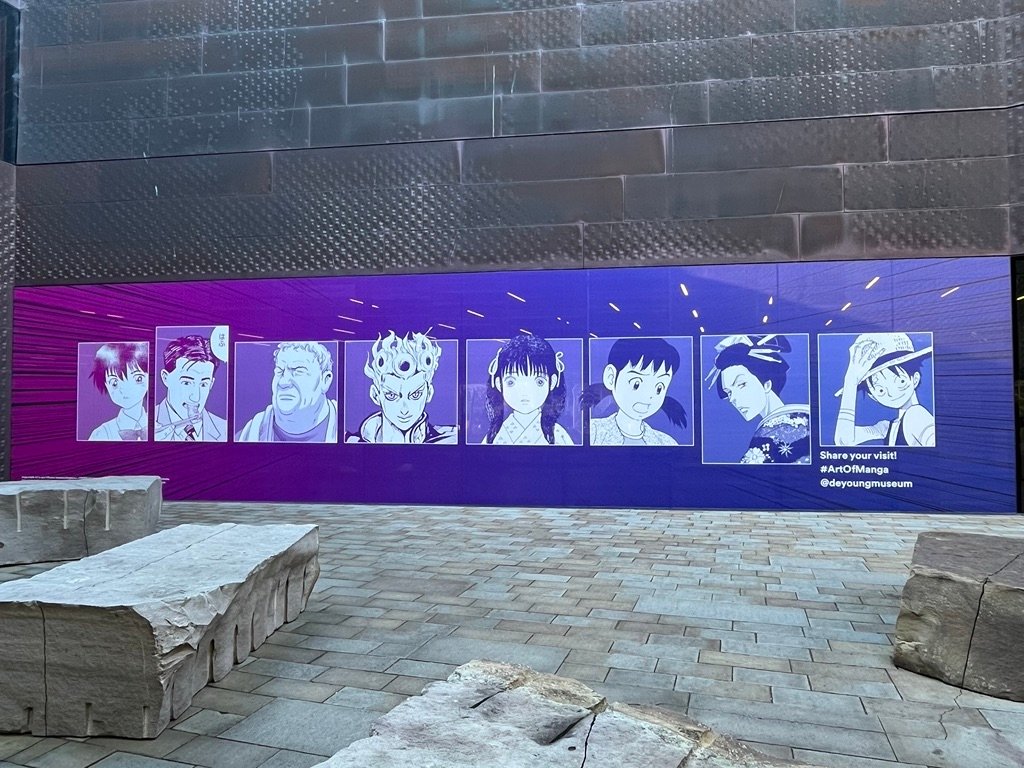
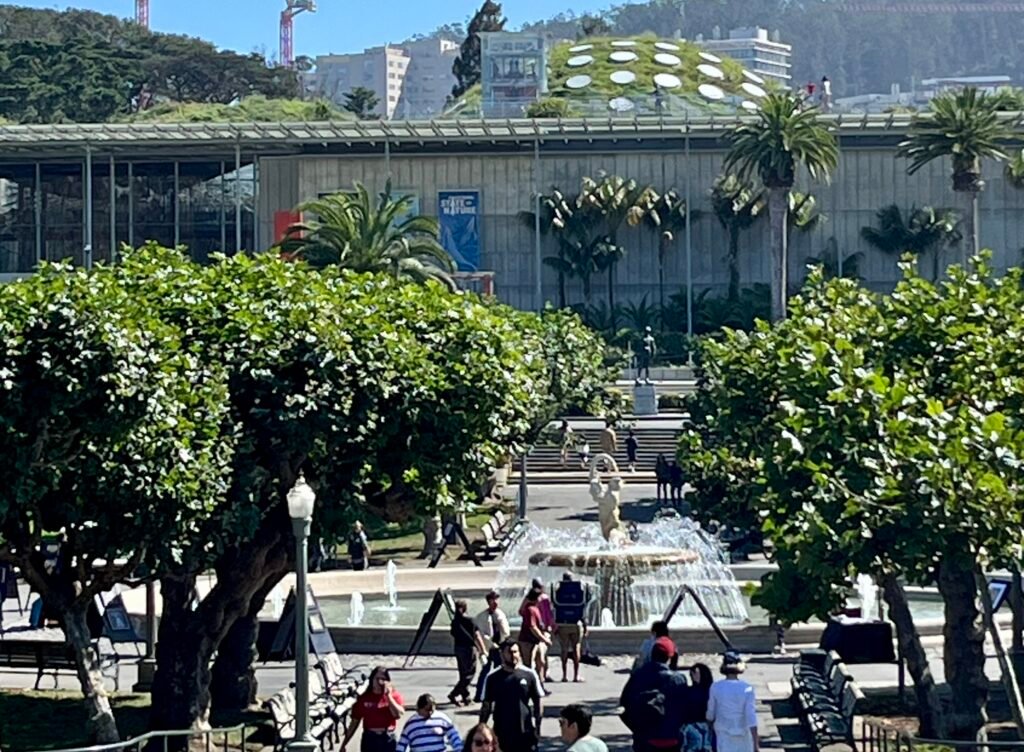
Tucked away from the Beatles exhibit at the de Young Museum was a buzzing crowd going into a room labeled: “The Art of Manga.”
I almost didn’t walk in. The lady at the ticket counter earlier told me this is the first large scale manga exhibition in the US to explore manga as an art form. Most of the original drawings have never been publicly displayed before.
So I was convinced to atleast walk through and get an overview. What followed was a journey through decades of manga art, each section dedicated to a singular voice and vision. I walked from room to room captured by graphics, artistry and storytelling so vivid, so human, that the boundaries between “comic book” and “fine art” began to dissolve.
Here’s my glimpse of some of the artists whose work moved me (and whose names now echo in my mind):
Chiba Tetsuya: One of the early figures whose works helped define the modern manga aesthetic. His pages evoke deep emotional grit, often exploring themes of resilience, struggle, or quiet dignity in the face of hardship.
Akatsuka Fujio: Known for his comedic and absurdist visual humor, Fujio’s work stands out as a playful counterpoint in the exhibit. He is often credited with pioneering the gag manga style.
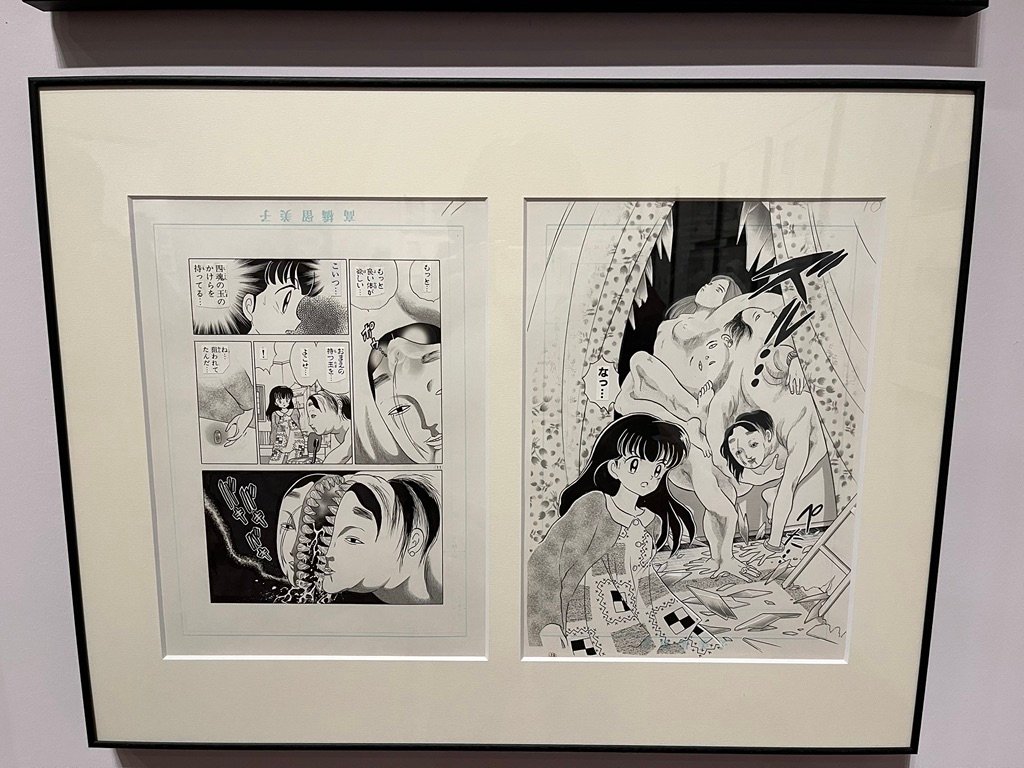
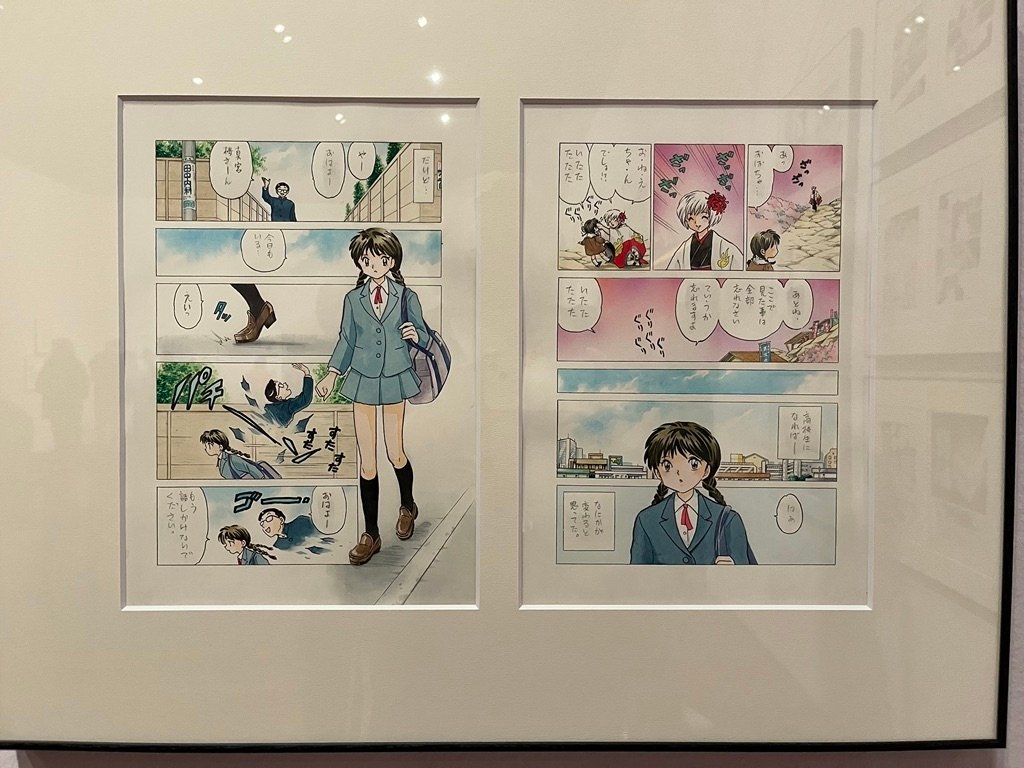
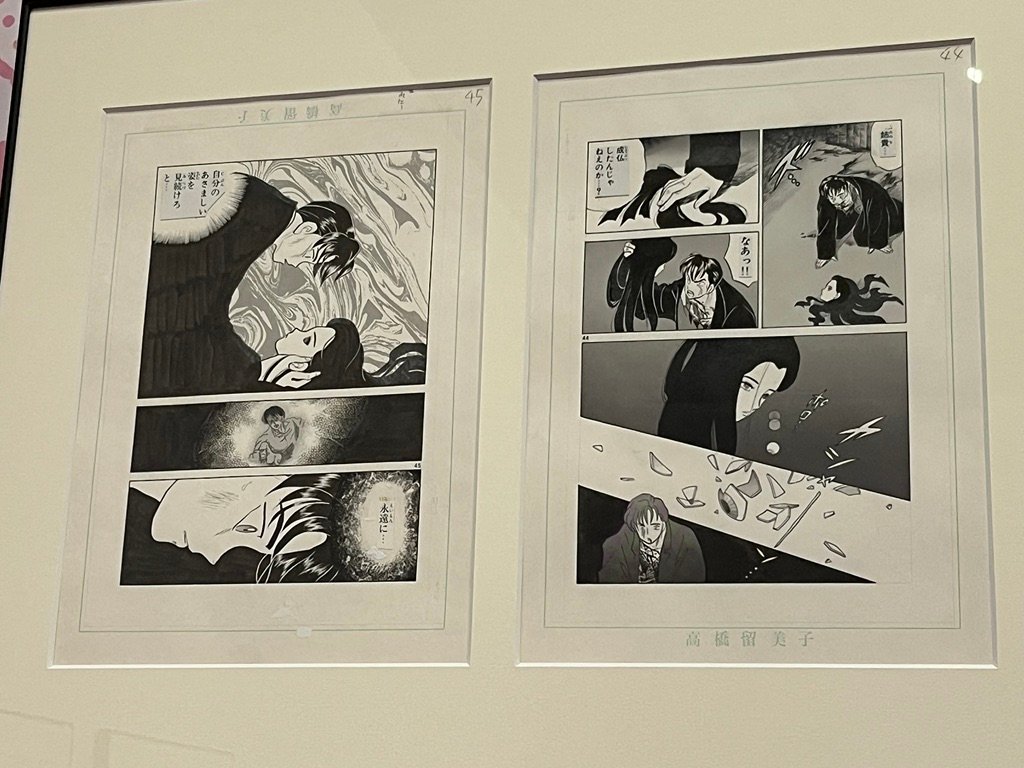
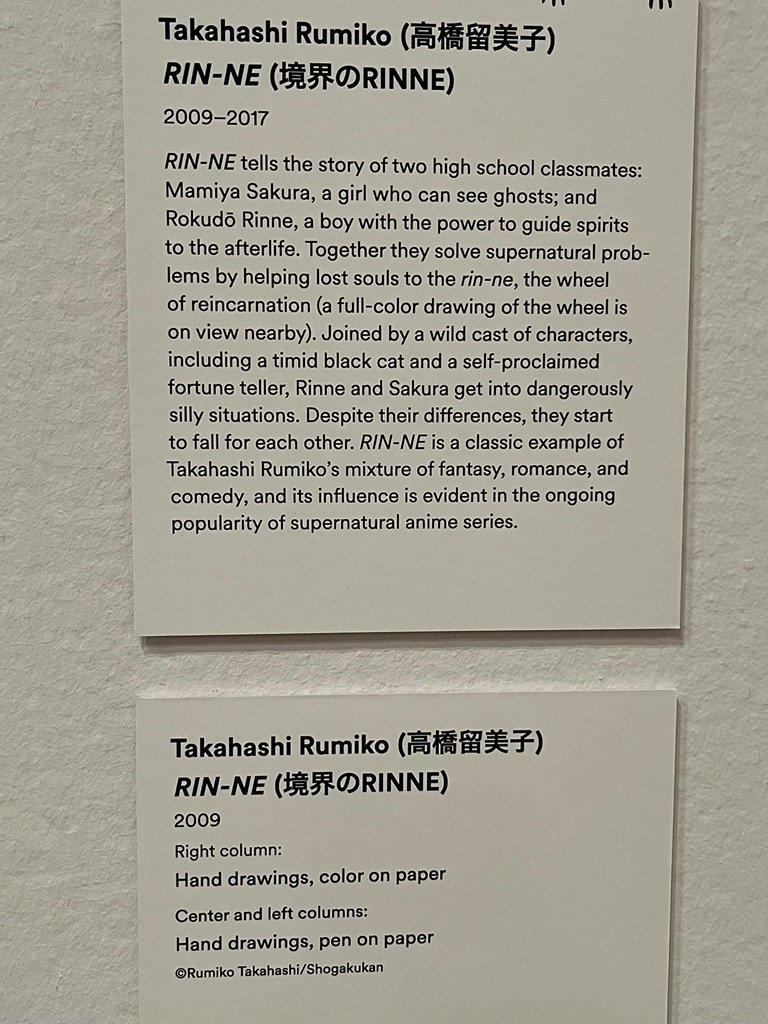
Takahashi Rumiko: A storyteller whose narratives often fuse the fantastical with the everyday, Takahashi’s work carries emotional clarity and balanced humor. At the exhibit, she represented manga’s ability to cross genre and emotional boundaries.




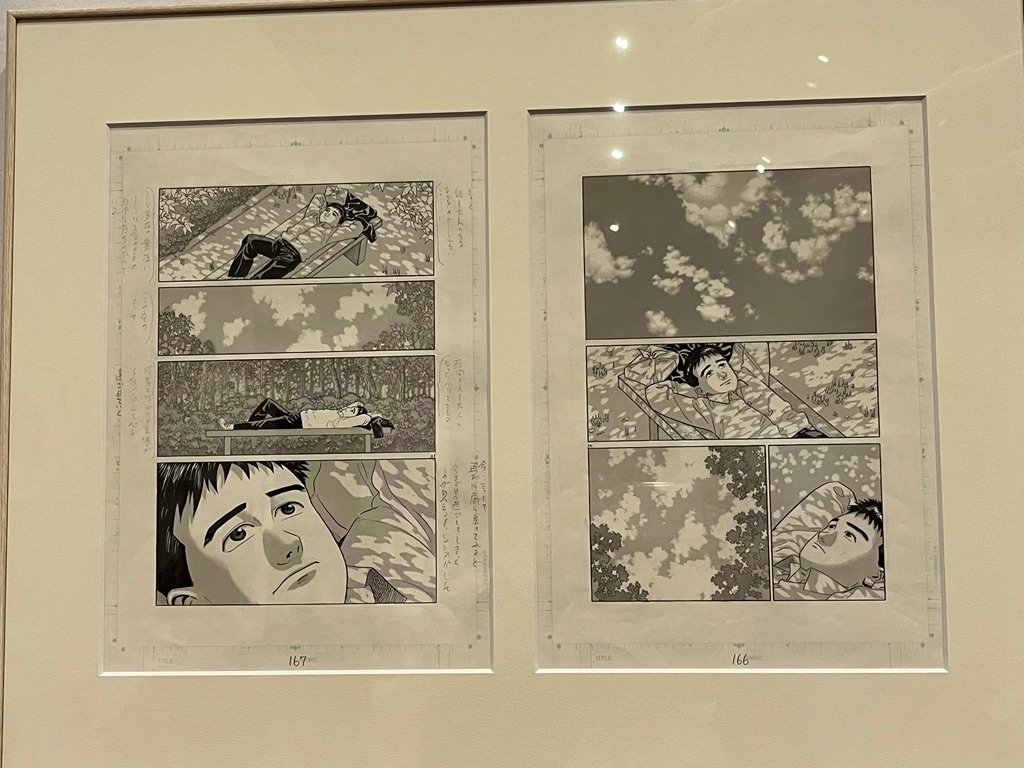
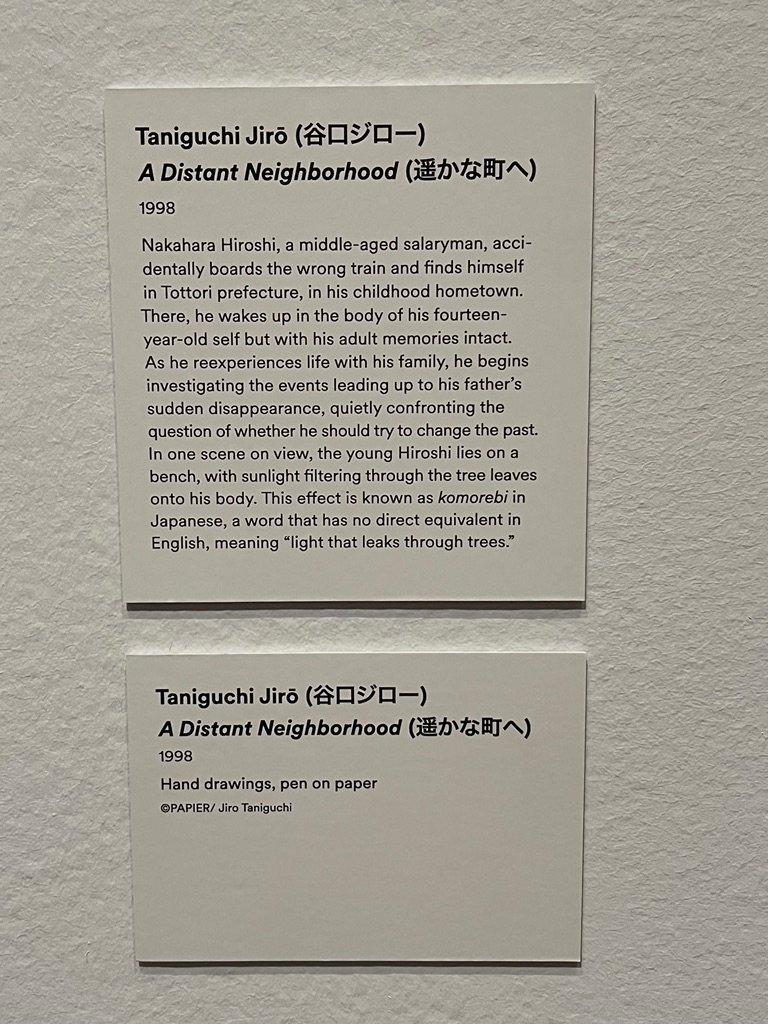
Taniguchi Jiro: His art feels meditative. Taniguchi’s storytelling is gentle, deliberate, suffused with silence and space, a quiet contemplation in ink. I fell in love with A Distant Neighborhood and bought the book in the museum store! Inspired by old postcards he found in his Mom’s house, he created a travel book with exquisite hand drawn graphics of Venice that is exclusively sold through Louis Vuitton!

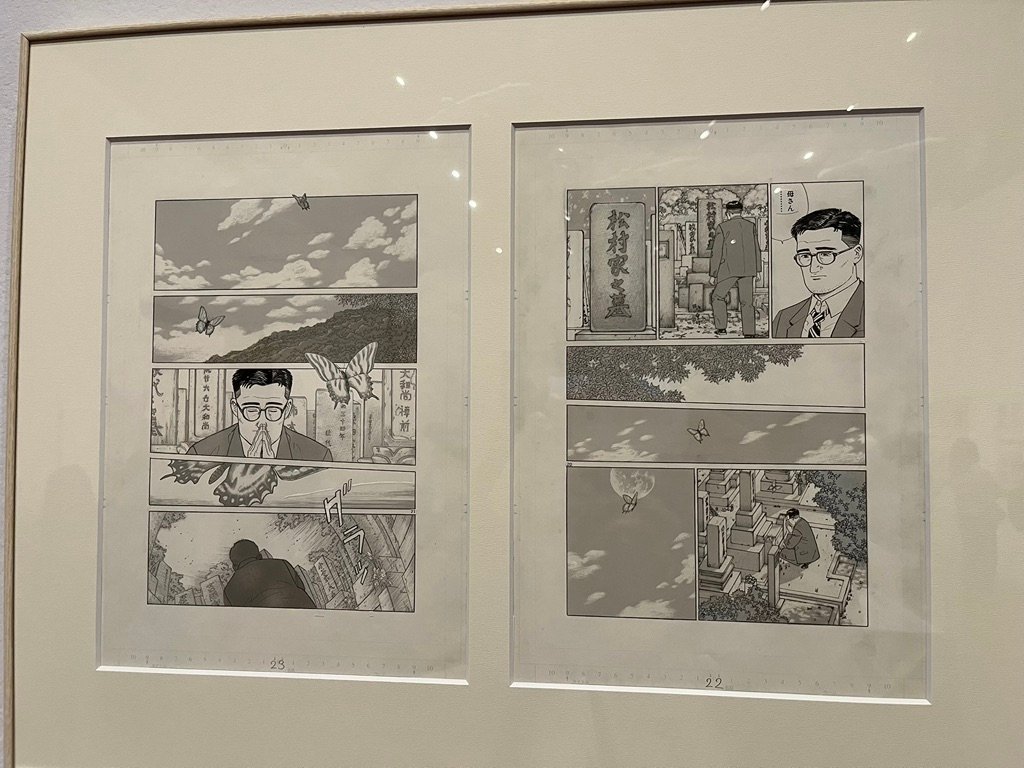



Yamazaki Mari: Her work stood out visually: sharp lines, bold forms with a kind of scultural emotional clarity. The exhibit paired her with projections and architectural motifs to reflect her narrative style, which often bridges history and the personal. Her showcased piece Museum of Palmyra about the ancient Syrian city of Palmyra (a UNESCO world heritage site) was breathtaking in its emotion, storytelling and political/historical commentary all without words! This work was commissioned by the Louvre to honor Khaled al-Asaad Syrian archeologist and head of antiquities of Palmyra who was killed by ISIS for protecting the site. Thermae Romae is an award winning work of Mari’s that was made into a graphic comedy series on Netflix combining ancient Rome and modern Japan. Mari is featured at the end of each episode expanding on themes of that episode.

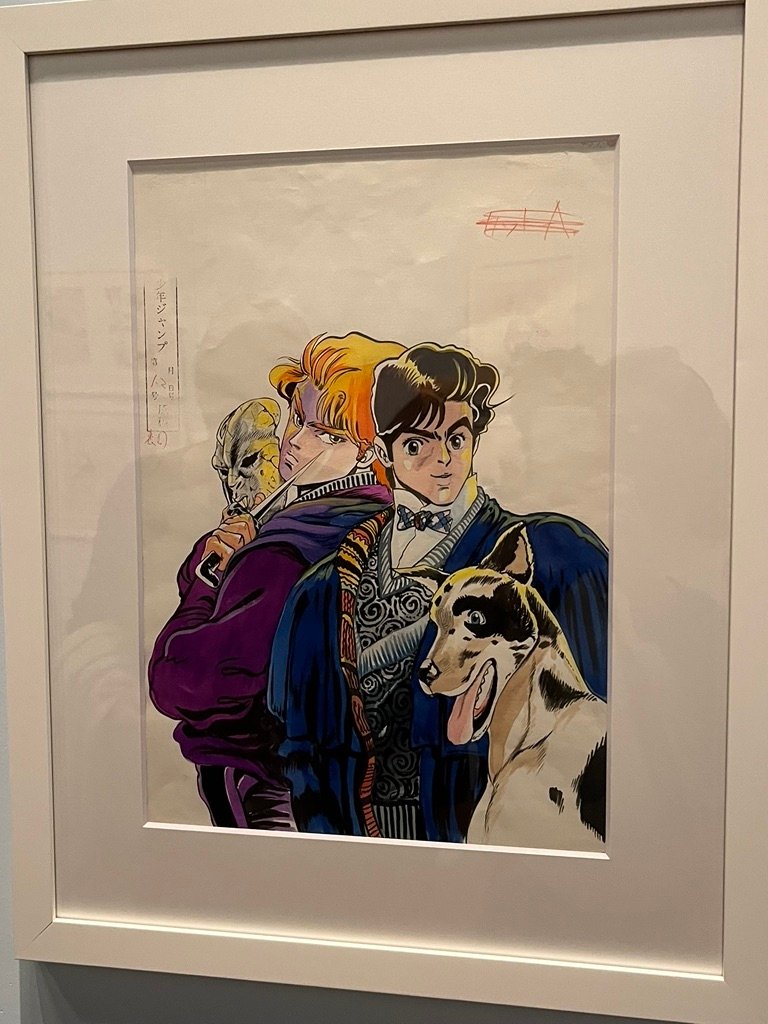
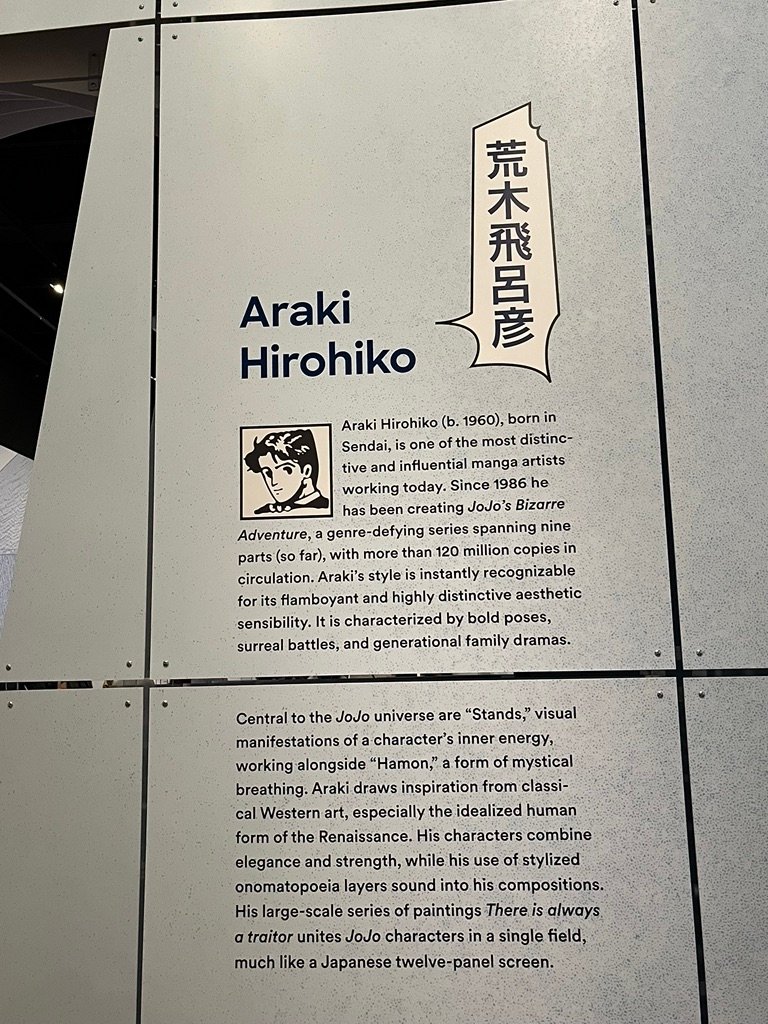
Araki Hirohiko: He’s known for JoJo’s Bizarre Adventure, Araki’s style is flamboyant, muscular and theatrical. His panels feel like sculpted motion, dramatic and alive with tension.



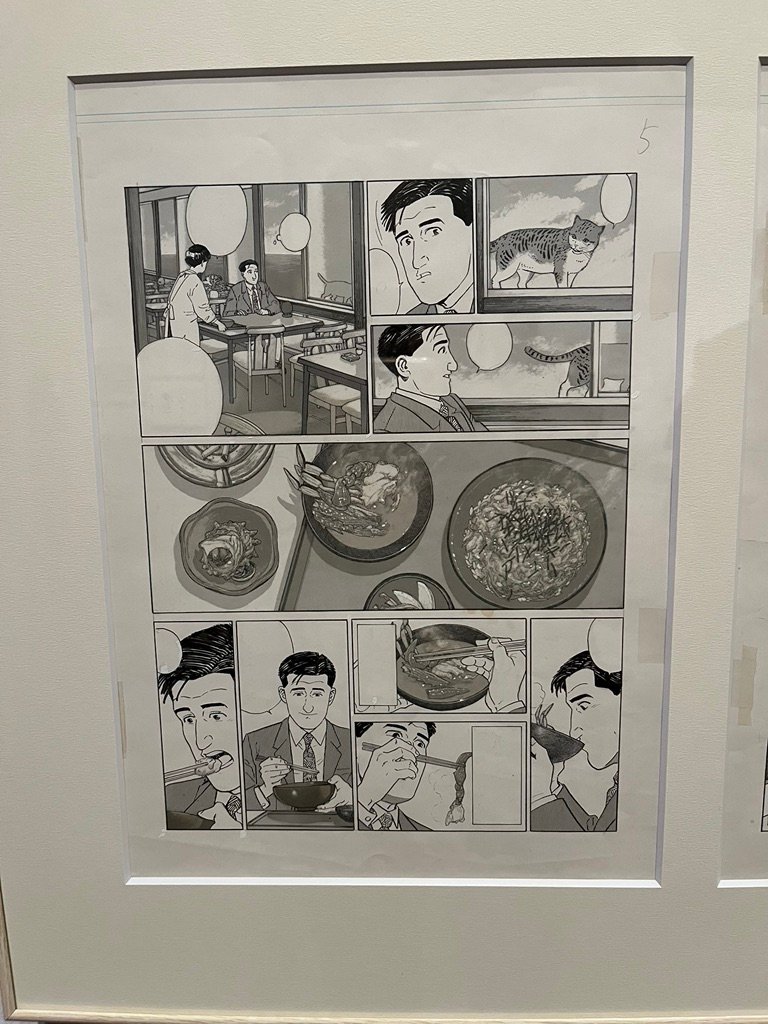
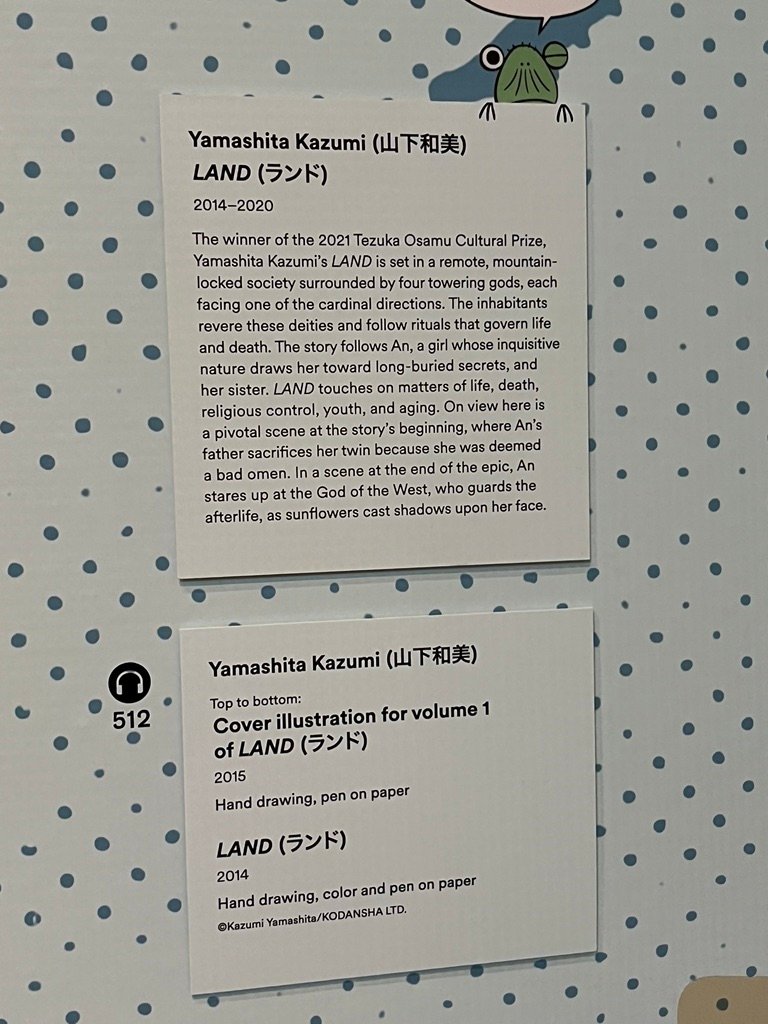
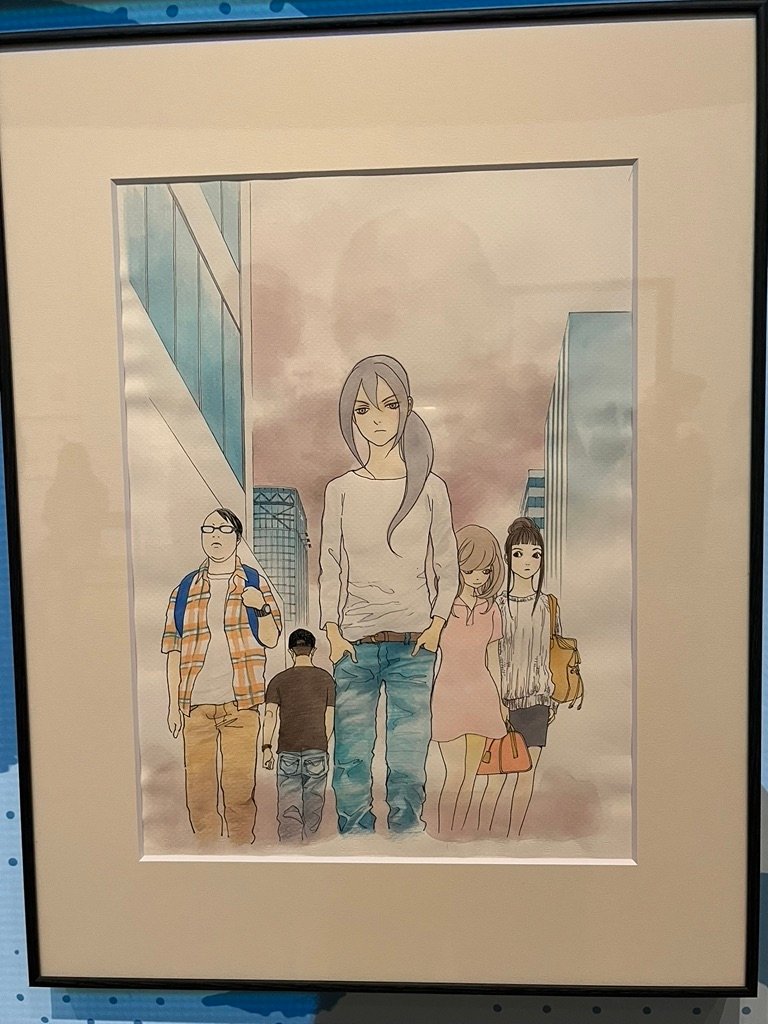
Yamashita Kazumi: In her panels, there’s a grounded, intimate attention to domestic or daily life. Her voice offers calm, careful reflection, especially in portraying family and interior landscapes.

Tagame Gengoroh: His work brings boldness and social challenge. Tagame’s narratives around sexuality, identity and queerness push manga into spaces of social commentary and emotional risk.
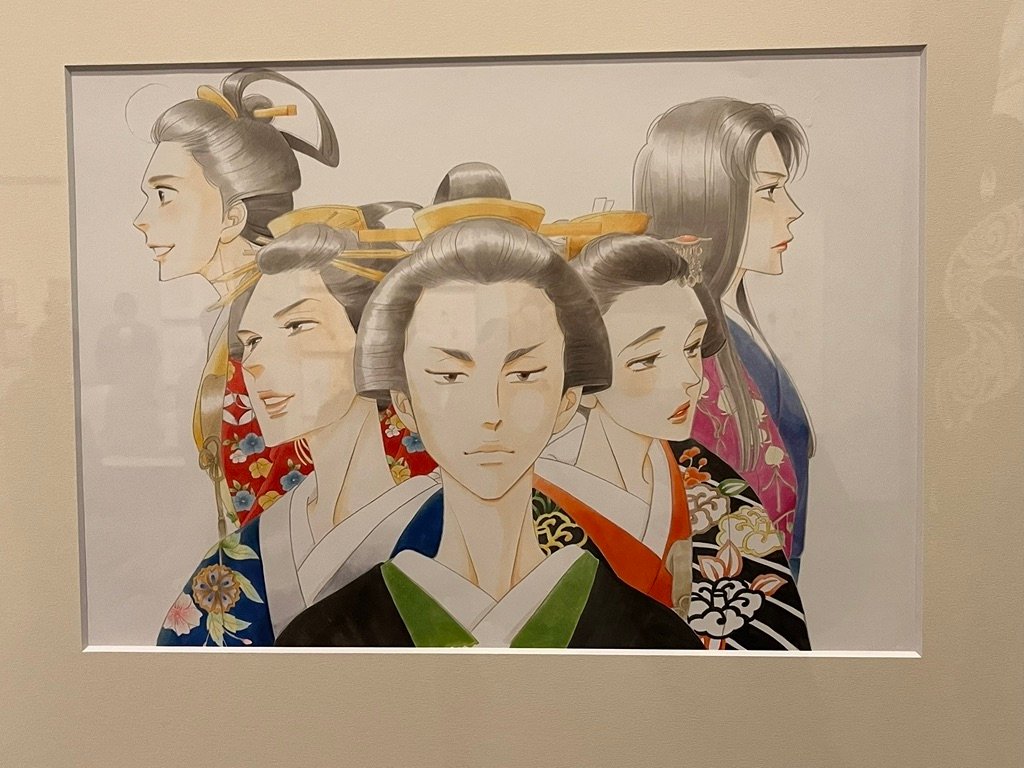
Yoshinaga Fumi: Her storytelling is minimalist and emphasizes the characters which are typically drawn expressively particularly handsome men. Over time, her later works like Ooku show a step up in detail while maintaining a clean and simple aesthetic. Her art is used to deconstruct traditional gender roles, often by creating stories that subvert expectations. Her style is considered sophisticated and capable of conveying deep emotion and nuance.


Oda Eiichiro: The creator of One Piece, Oda’s work is epic, expansive, full of motion, myth and emotional stakes. The exhibit included a special immersive “One Piece Only” gallery, showcasing both original art and printing-to-publication journey.
Tanaami Keiichi: His contribution appears at the intersection of manga and visual art. His bold, psychedelic style acts as a bridge between comics and graphic visual experimentation that’s colorful, layered and boundary-pushing.
Each artist’s room felt like a world unto itself some quiet, some explosive, some intimate, some expansive. Together they formed a chorus, telling me manga is richer, more layered, more human than I had ever presumed.
If you are visiting San Francisco, I highly recommend seeing this exhibit in person. It’s going on until Jan 25, 2026.
Why This Blog Exists
This third chapter isn’t about building a platform or chasing metrics.
It’s about attentiveness.
It’s about opening doors I thought I wouldn’t cross and letting them reshape how I see.
This blog is for stories and art that linger in quiet corridors, behind closed doors, in the margins. For the intersections of heritage, curiosity, history and reflection.
Because in that manga room, I was surprised not just by what manga is, but by what it can be and by how much more there is to look at, to learn, to feel.
Whether in Southern California or the NYC metro area, whether through art, memory or neighborhood conversations, this space is for exploring the confluence of art, history, connection and community in ways that feel grounded and generous.
It’s about stepping off platforms designed for scale and back into spaces designed for soul.
This won’t be a blog just about museum exhibits.
It’ll be about following that quiet feeling, the one that whispers. The one that nudged me into that manga room. And maybe nudged you here, too.
Leave a Reply